Welcome to the Table: Let's Talk Reinvention
Johanna Almstead:
Hi, everyone. So if you listened to our little intro episode, you know that the inspiration behind this podcast is the amazing dinners I've shared with spectacular women in my life and the fact that some of the most transformative conversations I have ever had have happened over food and wine with my friends. So as I'm preparing for each interview, I like to think about what I would feed them if they were coming to my dinner table. For my first guest, I'd be serving her a super chilled, super cold, dry white wine, like a Sauvignon Blanc or a Sancerre. I'd do like a little crudite and a little cheese plate. Not a lot. I think I'd get my husband Michael actually to make us for the main course, his cioppino. It's this seafood stew in this super light tomatoey broth. It's so good. And I don't even want to attempt to make it because his is so delicious. So for this one, I'm gonna outsource it to him. I'd serve that with a big green salad, like some freshly baked super crusty bread with really, really good butter, like, and big flaky sea salt on top. I'd keep it light and breezy, just like her. I'd probably play some Fleetwood Mac, maybe some Sade, some Nora Jones, like old-school badass, cool, mellow babes. I'd light all the candles so the mood is mellow and easy. I am endlessly inspired by my first guest. And today we're gonna talk about beauty, aging and reinvention. So let's dig in.
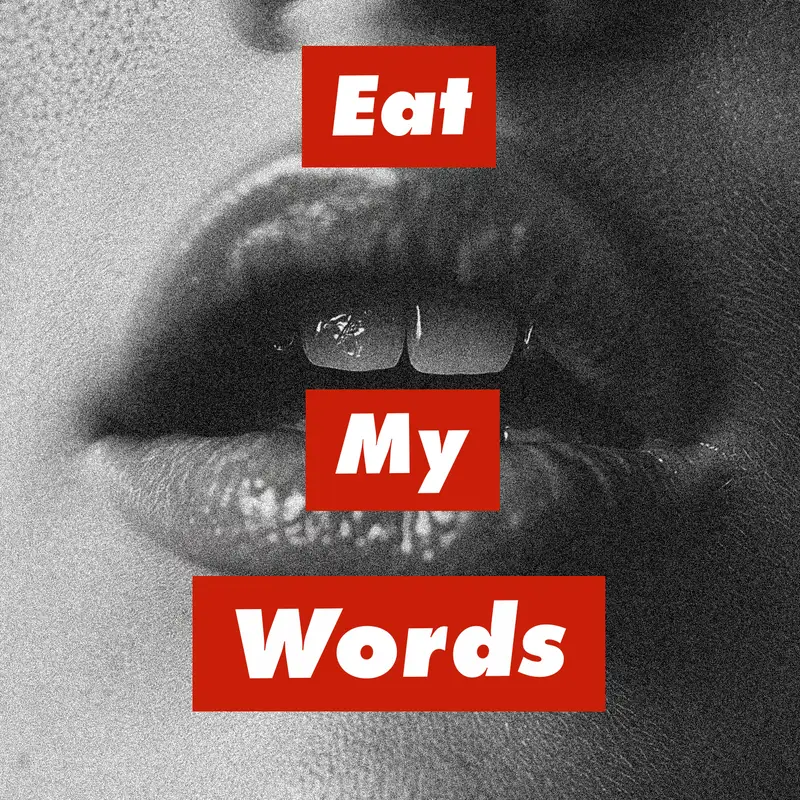
Hello, everyone, and welcome to the inaugural episode of Eat My Words, the podcast. My guest today is a friend of almost 25 years, which I can't believe I'm saying because I'm definitely not old enough to have a friend for 25 years. Neither is she. And in those 25 years that I have known her, she has been a Ford model, an actress with roles on Friends and Sex and the City, among other major film and television projects, a writer, a toy inventor for toy giants like Hasbro and Mattel and an acting coach. Now at 58, she is diving into her boldest chapter yet. Despite her initial fears about social media, she started creating beauty content for women over 50 on TikTok, where her authentic approach and real talk about aging beautifully struck a chord with thousands. Now she's launching Hello You, a beauty brand that celebrates mature women as exactly as they are. She is also a devoted wife to her creative partner, Latham, a daughter, a sister, an auntie and an adventurer. She and her husband split their time between New Zealand and the US and they foster dogs wherever and whenever they can. Fun fact, my magical boy scout of a dog, Ty, came from Laura who was fostering him in Nashville. She and I also share another fun fact. We are both daughters of progressive Presbyterian minister fathers who were feisty activists from their pulpits in the 70s and 80s. That could be a whole other episode we might need to do. Laura's message is simple: it's never too late to reinvent yourself and beauty only gets more interesting with time. Of all of these evolutions and iterations of her work and creative life, she remains steady in one thing. She is an amazingly loyal friend, an incredible cheerleader, and a no BS support system. So being that I am currently in my own reinvention - here we are on day one of my reinvention as a podcaster - I thought the absolute only person who could be my very first guest had to be my longtime friend, inspiration and master of reinvention herself, Laura Gaines. Welcome.
Laura Interval:
Okay, so now you have to give me a minute to cry.
Johanna Almstead:
Are you crying? Wow, right out of the gate.
Laura Interval:
Wow, what a beautiful - my goodness. What an amazing introduction. Thank you so much. And thanks for having me. I'm honored. I'm so honored to be part of this chat.
Johanna Almstead:
Oh my god, well, I am honored to have you. Did I miss any like ginormously successful things that you've done? Because I feel like that's a long list, but I've probably missed something.
Laura Interval:
No, you actually, my gosh, the fact that you mentioned the dogs really is what made-
Johanna Almstead:
The dogs, the dogs, of course. Well, I'm so grateful to have you here. I'm so grateful that you are allowing yourself to be our guinea pig for this episode. And I am hoping that this will kick off an incredible community that is much like yours and my friendship, which is long-lasting and super supportive and filled with a lot of laughter. That's my hope.
Laura Interval:
Yeah, and reinvention. I mean, let's be honest, you and I have changed a lot since we met in drama camp.
Johanna Almstead:
Drama camp. Guys, we met at acting camp. Yep, we did. Drama camp.
Laura Interval:
Oh my gosh, our friendship has reinvented several times.
Johanna Almstead:
Yeah, so that's the main thing I want to talk to you about. We already said that you're 58 years old. How old do you feel?
Laura Interval:
Oh my gosh, such a complicated question. It's so interesting. I spent so much of my life pretending or lying or wishing I was younger because of being an actor in Hollywood and being a model, starting as a fashion model. It was always better to be 20 than to be 28. So it's so interesting now that I'm 58 and I'm so grateful that I'm 58 and where I'm at right now. But you know, I think it's something that happens to us that we don't actually talk about a lot, which is I feel 35. And I look in the mirror and I go, oh right. I'm 58.
Johanna Almstead:
Wait, who's that old lady in the mirror? That's so weird.
Laura Interval:
So I can celebrate both of those things. Yeah, wait, who was that? Mom, come on, mom. But yeah, I feel like I'm in my 30s, you know? But I am really proud to be 58.
Johanna Almstead:
I love that. Where did your journey begin?
Laura Interval:
Wow, that's a good question. I'm going to say that my journey began in a mall in Savannah, Georgia when a model scout found me and said, hey, I could fly you to Milan in the next couple of weeks if you're interested. And I was like, say more?
Johanna Almstead:
Amazing.
Laura Interval:
Because I had never been in an airplane before. And I had, actually, I guess I was, no, I was 18 because I was in college, but I was going to University of Georgia and I was gonna be a journalist. But I always wanted to travel. When that happened, I got my parents to go meet with them and it took a year or two, but I did eventually take them up on that. And landed in Milan. My first airplane trip was to New York City. My second airplane trip was to Milan. And then I just went, I'm never going back. I never went back to Georgia. I never went back to school. I was done because I, it just opened the world for me. And I think that was my first reinvention. I was like, I got to Milan and I was like, nobody knows me here. What do I want? What can I do?
Johanna Almstead:
Wow.
Laura Interval:
And because I was young and dumb, I might have made some mistakes. But you know, yeah, that was it. That was the beginning.
Johanna Almstead:
That's amazing that you took it - that early on in your life, you took that as an opportunity to sort of reinvent yourself as the new fashion model living in Europe.
Laura Interval:
Back then I was Laurie Johnson, so, and I talked like that, you know.
Johanna Almstead:
Yeah, you were Laurie? Laurie?
Laura Interval:
I was Laurie Johnson.
Johanna Almstead:
Oh my God. Wow. OK. Did you ever become Laura Johnson first or when did you become Laura?
Laura Interval:
I became Laura, I think my second modeling card was Laura, because I didn't like the way Laurie looked. So yeah, think I just felt like it was a little more elegant, a little more grown up, maybe a little more exotic.
Johanna Almstead:
Very exotic.
Laura Interval:
And then, so here's something interesting when I was reflecting back on this, I realized when I was really young, I was reinventing, but I was also keeping very safe. So what I did was, I grabbed my college boyfriend and I married him-
Johanna Almstead:
There you go.
Laura Interval:
- so that I would have that safety net of home while I was pretending to be an exotic model in the world.
Johanna Almstead:
That's interesting. So at that time, before, let's fast forward six months before the mall. Did you have an idea in your head about like what having it all would mean, like what your life would look like when you were Laurie Johnson shopping in that mall?
Laura Interval:
No, I really didn't think that it was going to be more than having children really early and having a house in Atlanta. Maybe working for CNN would be my big dream then. I thought I might be a broadcaster. I was an actor. I'm an actor at heart. So I knew I'd love that camera, but I didn't ever think traveling was going to be. We were - Presbyterian minister, we were church going, very, very, very middle class, never been in an airplane. Our trips were like car rides to Panama City Beach, Florida, you know.
Johanna Almstead:
Wow, that was pretty exotic for a minister.
Laura Interval:
Yeah, he was wild. Yeah.
Johanna Almstead:
Ours were to like Ohio. Car ride to Cincinnati!
Laura Interval:
Oh my gosh, that was exciting though, right? But I just wanted to be in an airplane. I wanted to travel, but it didn't seem like something that was possible. I didn't think I would be a model. It didn't enter until he said, you can go to Milan. And then I went, oh, that's my ticket. That's what I'm going to get. And of course I gave up everything for that.
Johanna Almstead:
Okay, so then that was reinvention number one: model, Milan, but also married to college boyfriend back in Georgia.
Laura Interval:
College boyfriend from Knoxville, Tennessee.
Johanna Almstead:
Oh my goodness, okay, how long did that last?
Laura Interval:
Longer than it should have.
Johanna Almstead:
Got it. Okay, well bless him because you know, he provided a little bit of a safety net for you, right?
Laura Interval:
He really did and also, I mean, great man, fantastic person, still friends today.
Johanna Almstead:
Oh good.
Laura Interval:
It held me back, but that's what I needed, that's what I wanted. And it took me a really long time, maybe until now, to realize that even in reinvention, I've kind of always done that.
Johanna Almstead:
Hmm. Interesting. That's very interesting. OK, so you said you were an actress, had you studied acting at all before that had happened or no, you just knew inside of yourself that you were.
Laura Interval:
No, I mean, just drama class, yeah. But like I said, that was never something that I was going to be able to do. You know, tell my parents I wanted to be an actor. There was no reality in that.
Johanna Almstead:
Trust me. I'm familiar. Yeah. Why do you think it took me this long to become a podcaster? Don't have to tell them now. OK, so then after becoming a model and being a very successful model and you worked as a model for many, many years all over the world in amazingly national, international campaigns, when did you dip your toe into acting?
Laura Interval:
Pretty early on once that life opened up to me. I took advantage and I'm so, so lucky because I just look like, you know, American commercialism was really, really at its heyday there because we're talking about late 90s - or early 90s at that time. You know, so was all about blonde hair, blue eyes. And so I was at the right place at the right time for that, which was I'll forever be grateful for those experiences. But pretty early on too, I realized that it wasn't fulfilling for me. I mean the lifestyle is great and the money, thank goodness, was great. But I could then see a door to acting. So I talked my husband into moving to LA and I started modeling between LA and New York and then just started, I just went to work, I just started studying with the coaches in Los Angeles, with the eye of like, I'm gonna do film and television. That was probably mid to late 90s and because that door opened, I was like, okay, this is what I'm gonna do. And I'll never forget, I went to see my parents in Atlanta. I didn't have any acting credits at all, but I started to understand the hustle, you know? And I called one of the big casting directors in Atlanta at the time. And I went to her office and I said, you know, I just want to talk to you because I'm moving to LA and I'm going to, you know, I'm going to get into the acting and I'm gonna do film and television. She looked at me and she said, you will never make it. Do not do that. You are crazy to go to LA right now with no credits at all. You know, she was kind of like, you stupid girl.
Johanna Almstead:
You stupid blonde, gorgeous, blue-eyed, long-legged dum-dum.
Laura Interval:
No, no, no. But you know, there's always those people. And I was like, okay, thank you. And I went and I just never looked back. I had an incredible segue into the acting from the modeling.
Johanna Almstead:
So what was your first acting credit?
Laura Interval:
My first job was a show by Sir Mix-a-Lot and I found myself on an airplane next to Coolio - was a really cool rapper at the time and here I am, I'm playing an Amish girl that has a gambling problem in Las Vegas with Coolio and Sir Mix-a-lot.
Johanna Almstead:
Oh my god, how have I known you for this long and do not know that story?
Laura Interval:
It doesn't come up much in conversation.
Johanna Almstead:
I think we might need a reboot of that. We might need you to come back to the screen for just one more time.
Laura Interval:
Maybe we should show where she is now, the Amish girl with the gambling problem.
Johanna Almstead:
Yeah. Maybe she's made it through like Gamblers Anonymous, she and Coolio are chilling in Hawaii or something. I don't know. Maybe.
Laura Interval:
Yeah, or she's standing in front of a Luxor with pamphlets, you know.
Johanna Almstead:
She’s still at the slot machine.
Laura Interval:
Yeah, adjusting her bonnet.
Johanna Almstead:
One of these days it's gonna pay off. I can do this.
Laura Interval:
Oh my gosh, yes. And I thought it was amazing. I thought, oh my gosh, this is-
Johanna Almstead:
You'd made it, dude. I mean, you had totally made it.
Laura Interval:
I had made it, yeah. And it was an exciting ride, you know, until it wasn't.
Johanna Almstead:
So one of the things - that's interesting, you said that about, like you were so smart to go, even though the casting agent was awful to you - one of the things that you always have impressed me with is that you have both this wildly creative side and this very savvy driven business side. And I wonder, how do you think about yourself? Do you think of yourself more as a creative or do you think of yourself more as a business side or where do you work from? Do you work from your heart or do you work from your head or is it some magical combination of both?
Laura Interval:
I never thought of it like that. I mean, my business side has really demanded cultivation from me. You know, I think I come from the artist side.I'm always listening to my heart. Always. So I knew I was gonna have to start cultivating that business side to make everybody around me happy so that I could prove that what I was doing had value. And for me, that value had to be money. I've learned different now as I don't demand so much validation from the people around me. But I think at the time, I knew that I was gonna have to make a living. I was gonna have to prove, I couldn't be a suffering artist because everybody around me would just be like, you know, my family, everybody would just be like - somebody said to me, oh yeah, she's trying to be an actress in LA, I was just like, oh! That word trying, I was like -
Johanna Almstead:
Trying, it's the worst.
Laura Interval:
It's the worst. And you know, you and I were actors together, there were times when it was a struggle, you know, and I just thought - there was always a part of me going, okay, what else can I do then? What can I do alongside this? What business can I start? Where can some money come in? I actually think that's vital as an artist, but I know it's really difficult from a creative side.
Johanna Almstead:
I think there are very few artists who can do it well. I think it's very hard to have that kind of commercial business side and know how to run your career like a business and also be really creative. I think it's always something I admired about you. And I always wished I had a little more of. I've gotten better as I got older. I think at the time, when I first started out as an actress, I didn't have any business sense and I didn't have anyone, I just felt like there were all those more people like that casting agent just telling me no, as opposed to people saying like, hey, look at this, like treat this like a business, these are the things you could do, these are other ways you could make money, you know, sort of. I don't know, it felt all so precious as an art in a way that no one taught you how to be a business person about your own career. How do you manage that uncertainty of like starting new things? I mean, you took some big risks, right? And you continue to and we will get to even more of them. But like, where does that risk or that uncertainty live inside of you? Does it fuel you? Does it scare the shit out of you? Does it paralyze you? Like sort of where does that live with you? Because I think people listening who are thinking about a reinvention, I think one of the biggest obstacles is going to be that risk, right? Or that idea of the uncertainty, the unknown.
Laura Interval:
Absolutely. I mean, that's what keeps people stuck, right? That's why people don't move forward. And I think that things that I've learned, I mean, I have felt, I have felt a lot of fear. I have felt stuck. It was always that the feeling of stuck would outweigh the fear. And I learned to just move incrementally, not to have to have the whole picture. Not to have to understand exactly how something was going to happen or where it was going to land, but just to understand I needed to move, either like geographically, physically move my body. You know, I get my best ideas and I feel the less fear when I'm exercising. It's the weirdest thing. I'll feel really down or stuck and I'll just like pick up, you know - and I mean exercise, like running. Or you know, I'm a huge fan of dancing with abandon. And all of sudden something will happen where it will just release that fear and I'll go, oh, I know - I can do this one little step, I can move, you know. It's about not being afraid of the process and not feeling like you have to have it all figured out. Because that's where I would be really scared.
Johanna Almstead:
If you had to have it all figured out, if you had to have the end game sorted. I'm like the opposite. I have the end game figured out. I just can't figure out how to get there. But you said to me years ago. And I think about this advice a lot. You said - and I think it was about a relationship, but you said to me: You are just going to have to get used to being uncomfortable for a while. You're used to only being comfortable and you got to get comfortable in the uncertainty of this. And I remember thinking, boof, like my mind was blown like, oh - so I can like know it's uncomfortable and just be in that until I can take the next step. I think about that a lot and I give that advice to other people of just sort of like, it's OK to be a little uncomfortable.
Laura Interval:
You have to be in order to get what you want in life. I mean, I really believe that we are different people in our 20s, in our 30s, in our 40s. I know we are in our 50s, which is what I'm really focused on now. And it's uncomfortable. I mean, especially what happens in your 40s to your 50s. Make no mistake, you are different. And if you're not willing to like really sit with that and figure out what you can take with you and what you need to leave behind, then it's a hard road. It's harder than just sitting in that uncomfortableness and just moving. Just make one step towards that mission that you know - I think that's most important thing is what do you want, right? What do you really, really, really want?
Johanna Almstead:
Okay, wait, this is a good time to ask this question, because I was thinking about this. What is something that you once believed about yourself that you now know you've outgrown? You know, there was something that you carried through your 20s or your 30s or whatever. Now at 58, you're like, that was a bunch of fucking hooey or whatever.
Laura Interval:
Oh my God, mine is so clear. That I needed to be nice and pleasant so that people would like me. I was raised to be a people pleaser and it made me, what's the word, masochistic, you know, I just gave up so much to make other people comfortable, to make other people happy, to help them realize their dreams because, you know, no, no, no, mine’s…You know, I'm fine, I'm fine.
Johanna Almstead:
Right.
Laura Interval:
And that was me, me, me, me, me. And you know, I'm grateful for that part of me. I'm really happy where I am now, but wow, could I have like, you know, done some things or I can do things now, releasing that part to the degree that I'm comfortable. I'm still not comfortable with aggression. I try sometimes to be like, okay, I'm gonna, know, and as soon as the person like answers, I'm like, hi.
Johanna Almstead:
You're like, put ‘em up, put ‘em up.
Laura Interval:
Come on, I oughta… Yeah. I think as women, you know, as Southern women especially, as preachers' daughters. You know, what’s that saying? You can trap a lot more flies with honey or whatever. It's true. And I appreciate that part of myself. I just would like to cultivate the other part that's also comfortable in power. Still working on that.
Johanna Almstead:
I always find it interesting now with the generation of girls, women, young women, who are like in their 20s and they were not raised that way. They are standing up for themselves and they're asking for what they want and they don't really care and they're pushing buttons and I'm like, whoa. Like it took me almost 50 years to figure out how to stand up for myself and to ask the hard questions and to, you know, advocate for myself. It's incredible to me.
Laura Interval:
It really is and it's a big part of who we are as a generation, you know, our Gen X - you were Gen X, right?
Johanna Almstead:
I'm going to be 50 this year. I don't know what that makes me. I can't keep track.
Laura Interval:
Yeah, I'm eight years older than you. But we are that, I think, in between where we're learning, you know, social media wasn't part of our lives. Which is why I have this love-hate with it. And we're having these conversations where we're like, no, we need to reclaim that shit for ourselves, you know? Our mothers were not having these conversations.
Johanna Almstead:
Oh god no.
Laura Interval:
And then those 20 year olds aren't because that's just their way of life now.
Johanna Almstead:
They don't need to have them.
I think they're totally different. They don't need to have them. You know? So it's so interesting. This is why I think in the war I'm doing, the social media with women our age, I realized that reinvention for us now at this age is the most important.
Johanna Almstead:
Totally. Okay, let's talk about this. So let's talk about beauty for a second because this is what, this is the latest evolution to you, but I want to think about the word beauty and like what it means to you now as opposed to what it meant to you in your 20s.
Laura Interval:
It's so funny because I've thought a lot about this obviously and it gets into some cringey cliche territory that I'm like, all right, we're gonna have to reinvent this language, which is what I really am aiming to do with the brand. Beauty is super important. It's more important now. And the beauty for us now comes from acceptance, comes from embracing ourselves, comes from living our age out loud, all these cliches, that I go, ugh. Beauty from within, you know. But it's true, because we've been taught for such a long time that youth is beauty, that we don't have the value we used to. We were raised with all of that. So we still have those patterns, whether you want to think we don't or not. We were raised to judge women who are our age, who wore red lipstick and purple eyeshadow. We were raised to go, ooh… right? And now I want to be that person, because that's who I feel like I am. And it's so interesting to have to reinvent that word, beauty. And I don't think it was as important - look, it's easy to feel beautiful in your 20s and 30s. It's easy to wake up and be like, wah… Because what we think of as beauty, your skin's all perfect, it's just easier. Now you go, what I've been trained to think beauty is, I no longer have. So I have to dig deeper and feel what that is. It's really important.
Johanna Almstead:
It's a major reprogramming in your brain.
Laura Interval:
It is a reprogramming. And you know, I was, fun fact, the very first spokeswoman for Botox. Do you remember that?
Johanna Almstead:
I met you - that was like right around the time I met you, your Botox campaign was coming out.
Laura Interval:
Oh my gosh. So yeah, so I was like 30, right? Free 10 years of free Botox when I didn't need it, because you had to get it for the commercial because they wanted to tell the truth, right? So, you know, I was getting like one little bit here, one little bit here or something, but it addicted me to not having these, you know, what do they call them, the 11s and, you know, not having the crow's feet. So I did it for such a long time, even after the campaign was over, because once I started seeing these come in, I was taught, I was paid, to say, no, this is ugly, this is not okay. Now, I love some Botox, and I think everybody should get it if they want it. But for me, a couple years ago, I was like, all right, I need to quit everything. Because also, some of my beautiful best friends who are still in the business are getting facelifts, you know. They're in that, which I totally get, again, no judgment. I would never say never, because I might one day go, you know what, I'm doing that too. But I wanted to see what I was working with.
Johanna Almstead:
Right, you wanna see what you actually look like.
Laura Interval:
I wanted to see what I actually look like. And part of my reinvention was if I'm gonna talk about beauty, especially right now with what I'm doing, I need to walk the walk. I need to see, you know, can I do it? Can I go, oh yeah, oh my God, look how pretty that is. Look how pretty, that looks great. I love that, you know? How do you do that? You do it by having a mission of teaching other women who are all going through the same thing. We're in this together. If we don't do this now, who's gonna do it? Why should we feel less than? We've made it this far, oh my God. These lines were earned, you know? It's true.
Johanna Almstead:
So tell me what that was like to kind of put yourself out there. I mean, I know a little bit of the story behind what made you do it, but tell me what it was like, what made you decide to become a TikTok influencer and put yourself out there like that?
Laura Interval:
Still I'm like, oh my god, what?
Johanna Almstead:
You're like, that's somebody else. That's my alter ego. She's the Mormon, not the Mormon, the Amish with the gambling problem. She's actually the TikTok-
Laura Interval:
She's totally on the slot machines when she's not on TikTok, for sure. Well, I'm gonna be totally honest about how that started. I think you know this. My husband and I were inventing toys, had a great toy business, really combined everything that we loved. Again, just figured out what we could do to bring money in that combined our love of creativity and the mission at that time was entertaining and educating. We just made toys and games and we travel a lot. So we lease places, we rent places around and we found this place that we just loved and decided to sort of treat ourselves because we had gotten one of our biggest contracts ever and went into this really expensive lease. And then he was debilitated with long COVID. And it was, no joke, it was all of a sudden one day he just - he even said he couldn't find himself. Like his brain -
Johanna Almstead:
So he had COVID and it was normal COVID like just sick, not crazy sick, just normal COVID. And then how long did it take you to figure out that he had Long COVID? Like that’s what was happening?
Laura Interval:
It was about four months afterwards.
Johanna Almstead:
So for four months, he was just kind of losing his marbles.
Laura Interval:
Yeah, yeah, but didn't really understand, you know how sometimes your body changes and you think maybe you're eating too much or drink too much or you haven’t exercised or you know, but it was literally one day he kind of woke up and just in terror, honestly, of like, I feel like I just got mugged. I have all this adrenaline in my body. I can't think. And we were like, OK, OK, OK, let's figure this out. You know, six months later, he was riddled with anxiety, could not make - he is a genius creative. Like his brain works in ways that I - until he got Long COVID.
Laura Interval:
So scary.
Laura Interval:
It was really, really scary. To this day, people still say, what's Long COVID? I'm like, yeah, if you haven't experienced it. So then everything just turned to what can we do? You know, is this our life going forward? How do we treat this?
Johanna Almstead:
Like is he ever gonna get better?
Laura Interval:
Is he ever gonna get better? I mean, the amount of Western drugs, supplements, cold baths, saunas, I mean, it was crazy. It was all hands on deck and nothing helped, nothing worked. It was rough. But you know, what a great time for a reinvention.
Johanna Almstead:
Sometimes reinvention comes from necessity.
Laura Interval:
Absolutely, this one did, because we realized, what are we gonna do if this doesn't get better -
Johanna Almstead:
Like he couldn't work, so he couldn't create, he couldn't invent, he couldn't make new toys, he couldn't do new business deals, he couldn't do anything.
Laura Interval:
No, no. He could not make connections in his brain. And I was like, oh okay, we're gonna have to do something else. So I kicked in the acting coaching, the artist coaching, which is my love, I absolutely love it. But it's not - the way I wanted to do it is not scalable, per se. And I thought, I can do this for a while, but what's he gonna do? You know, like, we need to do something. So we were like - he came to me and he goes, okay, I have an idea and I think I can do this. I think I could do some filmmaking. And I was like, great, what do you wanna do? He goes, I think that we should do TikTok. And I said, oh my God, that's a great idea, you should totally do TikTok. What are you gonna do? And he goes, no, it's you. And I was like, nope, absolutely not. I've never -
Johanna Almstead:
He's like, you're the star.
Laura Interval:
I've never been on TikTok. I have this really weird thing with social media. It plays on some of my little girl baggage that I don't love. And he was like, no, no, I've been exploring this. I've been studying it. There is a niche for over 50 that is underserved, for over 50 women. And you coach women, this is you. You should do this. And I was like, the only way I will do it is if you tell me what - I'll be an actor for you. You tell me what to do. He's like, I've already written it out. So our very first video, it was really fun. We had a blast. He loved it. We posted it and it went, you know, got millions of views. And I was like, damn it. no.
Johanna Almstead:
So crazy. You're like, this was supposed to fail. This wasn't supposed to be good.
Laura Interval:
What! And I got people contacting me and all of a sudden I realized, like, oh, I'm supposed to step into this. And I didn't know exactly what it was, but it was this sort of over 50 women thing.
Johanna Almstead:
But you took the first step, which I think is funny. It goes back to exactly what you said is like you didn't even actually quite know that you were reinventing yourself yet. Like sometimes reinvention happens by accident or by your husband. But the idea that you just did something, right? You made this first video and you sort of indulged his idea, which I think is kind of funny also that like he had no good ideas for so long because he was so unwell. And then all of sudden this is the idea. And it works.
Laura Interval:
I know, I know. Interestingly enough, it came from his business mind because he started seeing how influencers were making money. And he thought, well Laura can talk to women. She's always been interested in women's issues. She can do this and she should do something about makeup because I've been doing my own makeup forever. So there you go. So then that was born.
Johanna Almstead:
Okay, so I want to hear the best and the worst parts about this new work that you're doing, being a TikToker. What's the best part about it?
Laura Interval:
The connection with women. The DMs, I started a newsletter talking about exactly what you asked me, what is beauty now? And getting women to just be like, help. I can't wear makeup like I used to and people are telling me I shouldn't, but I love it. What can I do? I wanna feel beautiful, I feel terrible. My daughter tells me I wear too much makeup. This to me, all of a sudden, makes so much sense. Where makeup in my 40s, or in my 30s, I would be like, you know, let somebody else do it. Because it's a different thing now. It's important. It's really, if that's what makes you feel beautiful, even just a little glow, you know? It's important because it makes us go out into the world and do powerful things. Rather than fade away, you know? So that's the absolute best part.
Johanna Almstead:
It's like a form of armor, sort of, for people now or a form of -
Laura Interval:
It is. Red lipstick.
Johanna Almstead:
Yeah, I got mine. Mine's not like red, red, mine’s like a pinky red. OK, what's the worst part about this work now?
Laura Interval:
The popularity contest.
Johanna Almstead:
Yeah, is that freaky?
Laura Interval:
Oh, it’s so strange. I keep reframing it to stay on my mission. Every time I get a message from a woman, I'm like, okay, this is how I'm doing it now. This is what I'm doing. But it really plays on my, I threw a party and nobody came.
Johanna Almstead:
I'm all dressed up and nobody came to my party!
Laura Interval:
Nobody likes me.
Johanna Almstead:
Literally likes. Literal likes.
Laura Interval:
Literal likes. I mean, it's all vanity metrics. None of it matters as long as you have a community, which is why I'm building the newsletter and the private Facebook group, I adore. And actually, TikTok is really fun. Ironically, it's sort of Instagram that I find -
Johanna Almstead:
It's a little more judgy, right?
Laura Interval:
It's very judgy and it's very transactional. I create content to put out what we want to do and to have fun. If I can make people laugh, I'm happy. Instagram, I can't tell you how many messages I get from people wanting me to sell things, wanting me to follow for follow, that kind of thing. Which I get it's a whole different language, it's just not where I'm comfortable. So I was actually talking to Latham about getting off of Instagram. Can we just like forget Instagram. He's like, of course we can. We have to do it our way, right? So yeah, that's probably not a great thing to say.
Johanna Almstead:
No, I was just going to say that's a great thing to say, because I do think part of it is doing it your way. I think part of what you've always done since I've known you has been pave your own way. And I think part of why it's been successful every time is because it's authentic, because you stick to your guns. You stick to your integrity. You two as a creative couple stick to what matters to you both and I think this idea - I really want the listeners to hear this idea of having a mission because I think if you have this overall mission which is interesting because this in my other world of branding and marketing and helping brands have a mission, it all comes back to that same thing, right? Those metrics, those vanity metrics, or those little bits don't matter as much if you have this kind of umbrella mission under which you're working and under which you're taking a step every day or whether it's answering an email or answering a message from one of your followers or whatever, it's all mission critical as opposed to doing it for another reason.
Laura Interval:
I think people forget that, that the personal mission is so important and it's more important now at our age because I think missions were pretty obvious, especially if you're a mother, if you're a caretaker, if you're a wife, if you're a teacher,or you have a job, all those missions are pretty clear. They've been sort of almost taken from your consciousness. You just know that's what you're doing. And then when that starts changing and you start changing because your body starts changing, your hormones start changing and you keep trying to do what you're doing, you're like, I've forgotten what my mission is. I don't even know. I have so many women, like I have no idea who I am now. What can I do? And it comes back to just like building a business plan - I think, you know, like when you're cleaning out your apartment and you have the three bags, you know, you have like keep, give away, throw away, you know, it's like you almost need to like take that inventory of your life and like what, what can serve you? What do you need to throw away? I'm terrible at throwing stuff away. I'm terrible at it. And that's the thing of me keeping things from my past to sort of just make sure that that safety is still there in case I need it.
Johanna Almstead:
Keep that baggage. Bring that baggage forward.
Laura Interval:
Keep it all. I mean sometimes I like to just dig through it, you know, and pull it out and look at it. I love that!
Johanna Almstead:
Just for kicks, let's just find some old trauma.
Laura Interval:
Remember that time? Yeah, but women forget that because you're so used to doing something. I find that even the things I used to really like that would give me joy don't anymore. That's just confusing. You're just like, wait, wait, what? Why am I not getting that same kick from that person anymore? So the mission keeps you moving forward.
Johanna Almstead:
It's interesting that you said, like, if you become a mother, it becomes more clear. And I would say that when I became a mother, it became less clear for me.
Laura Interval:
Oh really? Interesting.
Johanna Almstead:
Yeah, I think because it was so it was so in conflict with everything I had been up until that point. And so I think it was really confusing to me. I was like this career person and I was like so fast and so strong and so firing all cylinders. And then all of a sudden I had this child and that I was like, you're supposed to slow down?You're supposed to rock in a chair for 100 hours and sing the same song and pump and do all these things? And I found it like very jarring. It was like running into a brick wall in a way. And then, you know, I'm 11 years into motherhood and I still find it like still really confusing to figure out my mission because it pulls you in such opposing directions. Like there's the mission obviously to care for my children and love them and raise them into like decent, good human beings and make them feel loved and be all the things that I needed when I was little and all that stuff. And then there's this like total opposite mission of like, I want to like see the world and I want to like break glass ceilings and I want to like knock down walls and I want to tell people to fuck off and I want to like change the world and make a shit ton of money and all these things. And they're actually quite opposite of each other. And so I think it gets, sometimes it gets more complicated. I say often that I wish that I was a mom who - I have several friends who when they became a mom, it was crystal clear. Like, I'm a mom. This is what I'm supposed to do. I was born to do this. I am so happy doing only this. Give me all the PTA stuff and all the carpools and all this stuff. And they're thrilled. They love it. And I don't. And I love my children. And I love being a mom to my children. But it is not something that feels like my mission. And it's bizarre.
Laura Interval:
That's why it's so great that you're getting back to this and your own thing. And you know, this is why you're meant to do this and why when people hear this, they'll go, yes, I can do that. I don't have to fit into that mold. And you know, that's part of this whole reinvention of just reinventing what works for you. We don't have to do anything and you know, society makes these rules and makes these judgments on us. It's so great that you are blazing the trail now when your kids are still really young. You know, this reminds me of, there was a time when I was reinventing myself into what I thought was gonna be a group fitness chain that was gonna go national. Remember that?
Johanna Almstead:
Oh my god, I forgot to mention that in your intro! Guys, she was like a dance instructor, like a dance party thrower. Sorry, that didn't do it justice.
Laura Interval:
Yeah, so we did, it was Dancing in the Dark for women and it was part of my attempt of teaching people that you can be anybody you want to because when you get a group of women in the dark dancing with abandon, it is a party and people come out like, holy shit, I can't believe I just did that, you know? And then you take that into your life. It was amazing and I've taught it in a lot of different cities but at one point it looked like we might be partnering with a very big international company was looking at us. And I remember I was talking to you and you said, oh my gosh, this is amazing. Are you going to do it? And I said, you know what, Johanna, I don't think I want to work that hard.
Johanna Almstead:
I remember when you said that.
Laura Interval:
And you were like, what?! You were appalled that I wouldn't want to -
Johanna Almstead:
I was gobsmacked. Gobsmacked. I could have fallen off my chair. Totally. You know why though? Because I had small babies. And all I wanted to do was work hard. All I wanted to do was have the freedom to like sign a deal with an international brand and go and do and charge. It's so funny now because I think about that all the time and I've definitely evolved to the place where I have like, yeah, no, I don't want to work that hard. But at that time, that pull was so strong because I was so hardcore for so long. And then I had these delicious babies who needed me and who I wanted to be with. It wasn't that I didn't wanna be with them. I just wanted two of me. I wanted to be home with them and I wanted to be kicking ass and taking names and doing all those things. And I'll never forget, I remember that conversation and I literally was like, what do you mean you don't wanna work that hard? What do you mean? It just, couldn't, I couldn't wrap my head around it because I felt like I was in this place where like, I just, I wanted the freedom to work that hard and I just didn't have it, you know? And I couldn't imagine that anyone who had the freedom to do it wouldn't take it up, you know? Wouldn't be like, yes, I'm gonna just bust my ass and not listen to my instincts and just go, you know?
Laura Interval:
I know. I know. Well, it was a really huge choice for me because, you know, it was a great opportunity. when I had to really step back and really like, you know, validate what I was feeling, I thought, who does it take up on this offer? Who doesn't? And then I was just like, me. Because, yeah, it was going to require every minute of every day of me going in places that I wasn't that thrilled of traveling to. So we just packed up and left that opportunity, which I'm really - thank goodness.
Johanna Almstead:
I was just gonna say, and do you have any regrets about that?
Laura Interval:
No. You know what, my only regret is that I don't offer that service to women because I really believe in that service. Having done it for a year here and a couple years in Birmingham, having a woman run it, and seeing how it transformed women to get in touch with that free, that unabandoned lack of judgment on your body and yourself really just unlocks. People would be like, oh my God, you just saved me so much in therapy because they would just get in touch with that animal side of themselves without judgment.
Johanna Almstead:
It's primal. It's primal. Yeah.
Laura Interval:
It's primal. Yeah. So I do miss that teaching.
Johanna Almstead:
Yeah. Is there anything that you've said no to that you wish you'd said yes to?
Laura Interval:
No. I can’t say - no.
Johanna Almstead:
That's a good place to be in life.
Laura Interval:
Yeah. You know, I spent a long time wishing that - you know, I tried to have children. The universe was like, no, that's not going to happen. And there was, I think when I was 46 to about 52 in that perimenopausal - was a really, really hard time for me. Because I wasn't ready to give up on what I felt like was that something that I thought was always gonna happen and there was a lot of loss and there was a lot of disbelief and I was aging and I was -
Johanna Almstead:
And grief, grief.
Laura Interval:
So much grief, giving up the dream of, you know, living in Hollywood like that also sort of became like this, wait, wait, wait, no. And so that reinvention time for me probably was the hardest. And then you've got all the, you know, you feel like shit. You know,you're not thinking clearly and you know - that's when I was doing a lot of writing and I'm so glad that I took the time to do that. Cause I got a lot, you know, writing can be so cathartic as well. And I wrote some things that I'm really proud of, but it was also something I needed to reinvent out of. So I spent a lot of time wishing life had been differently. And now at 58, I have to say I'm happier than I've been in a decade. I'm just going, oh, I get it. It's where I am now, which is really cool.
Johanna Almstead:
Yeah. I've had this realization the last few years of like I've been treating my life kind of like it comes in seasons, you know, like I now realize that nothing really lasts forever. And those moments like you just said that time when you were, you know, from 46 or 47 to 52, like it feels like it's never going to end. And you're like - things are dying. You're grieving things. Parts of your dreams are dying. Like there's all this stuff. And I think I try really hard now to be like, this is the season. This is just a season instead. And it's going to change and it's going to evolve. And I think part of what makes it change and what makes it evolve is being able to take those steps. So at that time, you took the time to write, right? And -
Laura Interval:
It's all a process. It's always moving. You just always have to think of it as that flow. Because yeah, if you're stuck in that 40 madness right now, that 50 - I remember sometime around 52 I went, oh my God, everything's just gonna get sadder.
Johanna Almstead:
It's never gonna be happy again.
Laura Interval:
It's just gonna get more sad. Well, how am I ever gonna deal with the loss that's...inevitably coming. Like, and nobody's ever told me that. How am I - and then I realized, slowly, in process, that it was just about making sure I was doing what I needed to be doing. I was feeling validated. I was taking that inventory, that reinvention, and I don't mean becoming a different person. I mean just letting go of that stuff that wasn't serving anymore.
Johanna Almstead:
It's funny, when I was talking to a friend the other day who's going through a hard time. She's going through a kind of career crisis and is in a toxic work environment. And I was telling her about this podcast and telling her what we were going to talk about. She got kind of mad at the word reinvention. And she was like, it's not reinvention. You're always who you are. And I was like, OK, so let's talk about that. And I said, so is it an evolution? Is it just - and she's like, maybe it's just progress. And I was like, OK. But for me, reinvention works. Maybe if you're listening and you don't like the word reinvention, then throw it out in the garbage. But I like this idea of reimagining, maybe, allowing yourself to reimagine what else is possible.
Laura Interval:
I think, yeah, I totally agree and I've heard that same thing of women, like, it's not reinvention, I am who I am. Yeah, it's reinvention of life. For me, it's reinvention of who you are in the world, not who you are inside. You're not like, I'm gonna be a totally different person. For me, when I think about -
Johanna Almstead:
I'm gonna wake up tomorrow an asshole.
Laura Interval:
I could use that a little bit, yeah, yeah.
Johanna Almstead:
Yeah, me too sometimes.
Laura Interval:
You can't do that and actually you're right. That's just trouble to think that way. But to reinvent who you are in the world, what you offer the world, how you move through your day for me is more. Because yes, you're always that. I love every part of me. I want, like you said, let's get rid of that bag. Let's get rid of, you know, let's give away some of that stuff. But I love the word reinvention because it also is hopeful for me. There's hope in that.
Johanna Almstead:
Yeah. Well, I also think, you can make something out of nothing. That's what inventing is, right? Not that you are nothing, that we are not, it's not that we're nothing, but that if nothing appears on the platter, you weren't born into a trust fund or the daughter of someone famous or whatever, that you can create your own reality and that you can invent something for yourself. Invent a life.
Laura Interval:
Invention is unlimited possibilities.
Johanna Almstead:
Yeah, says the woman who was actually a toy inventor, which I love. That's another I mean, I feel like we could do 17 episodes on the different jobs that you've had, but that's like my favorite.
Laura Interval:
Totally, totally. Yeah, it's fun.
Johanna Almstead:
OK, so I want to ask if you have any advice that you would give yourself when you were - now that you're 58, give to your 20 year old self.
Laura Interval:
Yeah, oh, also another podcast. Yeah, and the answer is actually very different than it would have been like 10 years ago because 10 years ago I just saw a whole bunch of mistakes. I have since forgiven myself for a lot of that dumb stuff because I was pretty dumb. I guess people say, oh, we all were. Okay. But I...
Johanna Almstead:
I don't know, I kind of celebrate the dumb stuff now. I'm kind of like, God, I was really doing some dumb shit back then.
Laura Interval:
Me too! I know! Because we did it! Thank God!
Johanna Almstead:
I was making terrible decisions.
Laura Interval:
Oh my gosh, yeah. We can't even talk about some of mine that you know about. Yeah, just not to worry about other people so much. Because you know what? They're not worrying about you. And it doesn't do the world good - you know, take action on it great, but to spend so much of that mental energy worrying about what they're doing, are they doing okay? Can you help them? Let's fix everybody else's problems. I did a lot of that and I don't mean in a good way actually, I don't mean in a helpful way. I don't think my worrying helped a lot of people. In fact, I think it was from a needy place instead of a - a lot of times.
Johanna Almstead:
It was helping you more than it was helping them maybe, or maybe not helping you, but -
Laura Interval:
No, it was feeding me. It was, you know, codependence or whatever. I saw a meme like 10 years ago that said, stop checking on people who aren’t checking in on you. And I was like, what? What?
Johanna Almstead:
What? Yeah.
Laura Interval:
Ho, I can't - at first I was like, that's just mean. And then I was like, oh shit, good God, how many people do I constantly, and they are not checking in on me. And there's a freedom in that.
Johanna Almstead:
Isn't it amazing how once you stop checking in, they stop. Some of them fall away. I had a moment like that during the pandemic. I was in the weeds, man. I was like homeschooling my kids. I had like a three year old and a six year old. And we were living in the middle of the woods and it was brutal. And my husband was gone all the time because he was an essential business and trying to keep his business afloat. It was dark. And I just had this moment where I was like, I can't, I can't do anything else. And if somebody is not, I can't be the one that holds up these relationships anymore. I can't be the one that's always the one. I was just always the one. And I stopped. I stopped reaching out. And I thought, well, this is going to be an interesting experiment, because we'll see who shows up and it's fascinating because there are people who were some of my best closest friends. Don't talk to them anymore. They just never reached back out.
Laura Interval:
Me too, me too. It's really interesting. And I'm a really sentimental person, which I'm working on a lot because it does make me hold onto things for reasons that, you know, no longer serve me. And yeah, I had to go through some of that grief as well. Just like, shit. I thought -
Johanna Almstead:
Yeah. Oh my God. It was a one man band there. I was the only one doing that one.
Laura Interval:
But it's also freeing because I realize how much space that takes up. And you know, you're so busy. You're, wow, are you juggling things now. And I've gotten busier right now than I've been in a really long time. And I realized like, no, that's good. That's cool. We got space. Yeah.
Johanna Almstead:
Yeah, it's okay. Okay, I really, really, really want to talk about your new project because I think it's really important because Hello You is coming out soon.
Laura Interval:
I know.
Johanna Almstead:
Tell us all about it. What is it? Where can we find it? When is it coming out? What are the, what are, what do we get? It's so exciting.
Laura Interval:
So excited, so excited. Yeah, so it is a beauty brand born from everything we're talking about. From women, I realized as women were reaching out to me that they don't have a simple answer to beauty products that don't over promise, don't fight age, don't try to erase your wrinkles, turn back time, all this language that's thrown at us, where even still the big ones do it. It's getting better, we're getting more aware of what that language is, but they're not focusing on - my first thought was, God, the world does not need another beauty brand. This is not what I can do. And then I started digging into, no, it needs philosophy behind it. It really does, it needs clean, simple, educational elements that are fun, that are made, designed for older skin. And it's scientific, it really is. And it just needs to be really simple, you know, with things that don't disrupt our hormones. And nothing is going to erase those wrinkles. So let's embrace them and let's see how they look the best.
Johanna Almstead:
I love that. That's your tagline. Nothing here is going to erase your wrinkles.
Laura Interval:
We're not erasing your wrinkles. So yeah, yeah. So we're launching it - well, you know, we're in manufacturing, development stages right now, which just like everything I've ever built takes a lot longer than you think it's going to take. So super exciting stuff. Thought we were going to launch with one thing. It wasn't quite right. So we may be launching another, but it's going to be all online right now. It's going to be through Amazon and Shopify. We are -
Johanna Almstead:
And is there, what's the website? What's your website?
Laura Interval:
So it's going to be at helloyou.store, is the Shopify site. Not up yet, but we'll be all over the TikTok and Instagram when we're ready. It should be in the next month.
Johanna Almstead:
Okay, so we'll let people know.
Laura Interval:
Let me tell you this story really quickly. Do you know the story about the red lipstick?
Johanna Almstead:
No. Wait, do I?
Laura Interval:
You know, so one of the things that pushed me over the edge was when I was like, do I want to do this beauty thing? Like, I wasn't interested in skincare, but I feel like beauty has such unlimited power of how we feel when we put on cosmetics, you know, and the history of it is so interesting. I started digging into sort of like what makeup is. And I found this story about red lipstick and how the suffragettes in New York City when they were marching, Elizabeth Arden had just opened and she opened that door to give them free red lipstick to march down the streets of New York.
Johanna Almstead:
No way!
Laura Interval:
Okay, and then when World War II came around, Hitler condemned women for wearing makeup. And if you had a meeting with him or you were gonna see him, you had to take everything off and he especially hated red lipstick. So the women of America, Estee Lauder, Elizabeth Arden, started giving them a shade called Victory Red. And women in America, which you know is like the Rosie the Riveter, they all have red lipstick on in opposition of fascism.
Johanna Almstead:
I love this. Timely, timely.
Laura Interval:
So I'm like, okay, read into it what you may. But yeah.
Johanna Almstead:
The world needs more red lipstick right now.
Laura Interval:
So this is the power, this is the message, I was like, okay, we're doing it. We are doing it. If it makes one woman feel more powerful, you know. And red lipstick especially, women, think, you know, oh well, I’m 50. I'm not supposed to. That's what we've been trained to think. And I was like, let's bring it back, y'all.
Johanna Almstead:
Let’s bring it back, y'all. I feel like I've definitely embraced red lipstick since the Zoom situation has happened.
Laura Interval:
I love it!
Johanna Almstead:
Like, I might be wearing sweatpants underneath, but I'm wearing red lipstick.
Laura Interval:
And that's the red lipstick theory too, is like you don't have to do anything else, you put on that red lipstick, you're like, I'm ready.
Johanna Almstead:
I'm good. Okay, so are you up for a little lightning round of just sort of silly fun questions?
Laura Interval:
Yes! Oh my gosh, I think.
Johanna Almstead:
Okay, so for those who are new here, which is everybody, because it's our first episode, the impetus for this podcast is that I have had so many sort of pivotal life-changing moments over dinners with my girlfriends. And so I wanted this podcast to feel like conversations that I've had over wine and food and dinners and things like that with my best girlfriends. And so I also just really like to talk about food. So there's some food questions in here too and some of these are just fun. I just really am obsessed with lightning rounds. So we're gonna go really fast and I'm gonna just ask you questions. You don't have to think about it. Just first thing that comes to your mind. Favorite comfort food.
Laura Interval:
Spaghetti.
Johanna Almstead:
Ooh. What is something you are really good at?
Laura Interval:
Coaching actors.
Johanna Almstead:
Yeah, you are. What is something you're really bad at?
Laura Interval:
Singing.
Johanna Almstead:
Really? Are you? Favorite word.
Laura Interval:
Fuck.
Johanna Almstead:
Yeah, yeah. Least favorite food, like deal breaker food, like you are not ever even tasting it.
Laura Interval:
Steak. Red meat.
Johanna Almstead:
Steak! Oh my god, that's right. I forgot about that. Okay least favorite word.
Laura Interval:
Moist.
Johanna Almstead:
Eww. Favorite hobby.
Laura Interval:
Playing squash.
Johanna Almstead:
How very Kiwi of you. I don't even know if that's Kiwi of you. Best piece of advice you have ever received.
Laura Interval:
Don't quit your day job, because then I always knew to quit my day job.
Johanna Almstead:
There you go. If your personality were a flavor, what would it be?
Laura Interval:
Oh my God. Okay, that just came to mind - you know that Jolly Rancher watermelon? Like that really sweet watermelon, artificial watermelon, but you'd love it anyway.
Johanna Almstead:
Uh-huh. That's you?
Laura Interval:
You can't get enough of it, but it's kind of addictive, but it's like almost too sweet.
Johanna Almstead:
I love that. Okay, it's your last supper on earth. You know you're going tomorrow. What would your last meal be?
Laura Interval:
Oh my god, okay, like the best salad with like kale and garden vegetables and spinach and a huge bowl of french fries.
Johanna Almstead:
Oh, fabulous. And your beverage of choice for that meal?
Laura Interval:
A really good cabernet. Like one really big glass.
Johanna Almstead:
Yeah, okay. I was just picturing like a giant goblet, like glug, glug, glug, glug. Just one ginormous glass. I mean, you know, you're going down tomorrow. Okay, if you could eat one food for the rest of your life, you have to eat it every day all day. What would it be?
Laura Interval:
Ugh, every day. Yeah, that's a tough one, isn't it? I mean, dark chocolate. I pretty much do eat that every day.
Johanna Almstead:
Yeah, you'd be caffeinated. You'd have so much energy. Where is your happy place?
Laura Interval:
At the lake house that my father built on the North Georgia Mountains.
Johanna Almstead:
Yeah. What did you have for dinner last night?
Laura Interval:
Sushi.
Johanna Almstead:
What do you wear when you feel like you need to take on the world?
Laura Interval:
Hmm. Like my favorite jeans with my favorite t-shirt, long sleeve that covers my hands, you know, makes me feel cozy, but also like fits my form so I can punch if I need to, you know, I'm free to like punch out.
Johanna Almstead:
I feel like you've been wearing that outfit since I've known you. Like that's your power outfit.
Laura Interval:
Every day. Like, that's what I have on now. Yeah, it is! I'm such a jeans girl. It's so funny.
Johanna Almstead:
I love that. Most memorable meal you've ever had.
Laura Interval:
I'm just going to go with one recently on the water here in Auckland on the harbour. Fresh-caught fish. Sunset. Beautiful breeze. Love of my life. Simple.
Johanna Almstead:
Perfect. Your go-to coping mechanism on a bad day. What do you do?
Laura Interval:
Coffee came into mind so I'm just going to say, I drink too much coffee but it also is a behavior that allows me to think. Step away from the desk, go get some coffee, I do my best thinking like that.
Johanna Almstead:
Really? That's amazing. That would make me psychotic. So I love that that works for you.
Laura Interval:
What, drinking coffee or stepping away?
Johanna Almstead:
Drinking - I can literally only drink one coffee a day and I drink it at like 6:01 a.m. and never drink it again all day, because otherwise I won't sleep. Okay, two more. Dream dinner party guest list. Dead or alive, you're thrown a dinner party tonight. They're all gonna say yes. Who's coming?
Laura Interval:
I would love to get together like the women authors, you know, so Gloria Steinem, let's do Gloria Steinem and Maya Angelou and Octavia Butler and like women who have just been in their 50s and figured the fuck out what things were going on. Hillary Clinton.
Johanna Almstead:
Yes. My friend just ran into her at the voting booth. We had our local county elections and she was at the voting place. She took a picture with her. So, you know, we might be able to invite her to your dinner party anyway. We're close.
Laura Interval:
You're kidding. You're kidding. My gosh. Let's go!
Johanna Almstead:
Okay, and my last final question for you is what is one thing you know for sure right now, today, here in this moment?
Laura Interval:
My best life is ahead of me.
Johanna Almstead:
Ugh, I love that. And I love you. Thank you, thank you, thank you, thank you for doing this.
Laura Interval:
Oh my god, that was so fun. I could go for hours. You're so good at it.
Johanna Almstead:
Really?
Laura Interval:
Yes!
Johanna Almstead:
Oh my gosh, this was so fun. I could do this all day.
Laura Interval:
I know. You're going to.
Johanna Almstead:
I am going to. My God, thank you so much for doing this.
Well, that was super fun. Thank you all so much for tuning in. If you've stuck with us this long, I am eternally grateful. If you enjoy the podcast, please subscribe and send it to your friends if you think they might like it. You can also follow us on Instagram and TikTok at Eat My Words The Podcast and drop us a line. Tell us what you're thinking about. Tell us what you're cooking up. Tell us what you're serving at your table and what questions you're asking. Thank you so much.